Why Your Summer Workout Clothes Stop Working in September
Quick Answer: Summer kit fails in September because it is designed for evaporative cooling in warm air, and cooler mornings change the balance — sweat that used to evaporate instantly now stays in the fabric, and wet fabric conducts heat away from you roughly 25 times faster than dry air. The fix is not warmer clothes; it is faster-drying fabric next to the skin plus one removable layer, which handles a 10-degree swing between the start and end of a session.
August: perfect. Mid-September: cold for ten minutes, then overheating, then genuinely chilly walking home.
Same outfit. Same distance.
The variable that changed is not temperature alone.
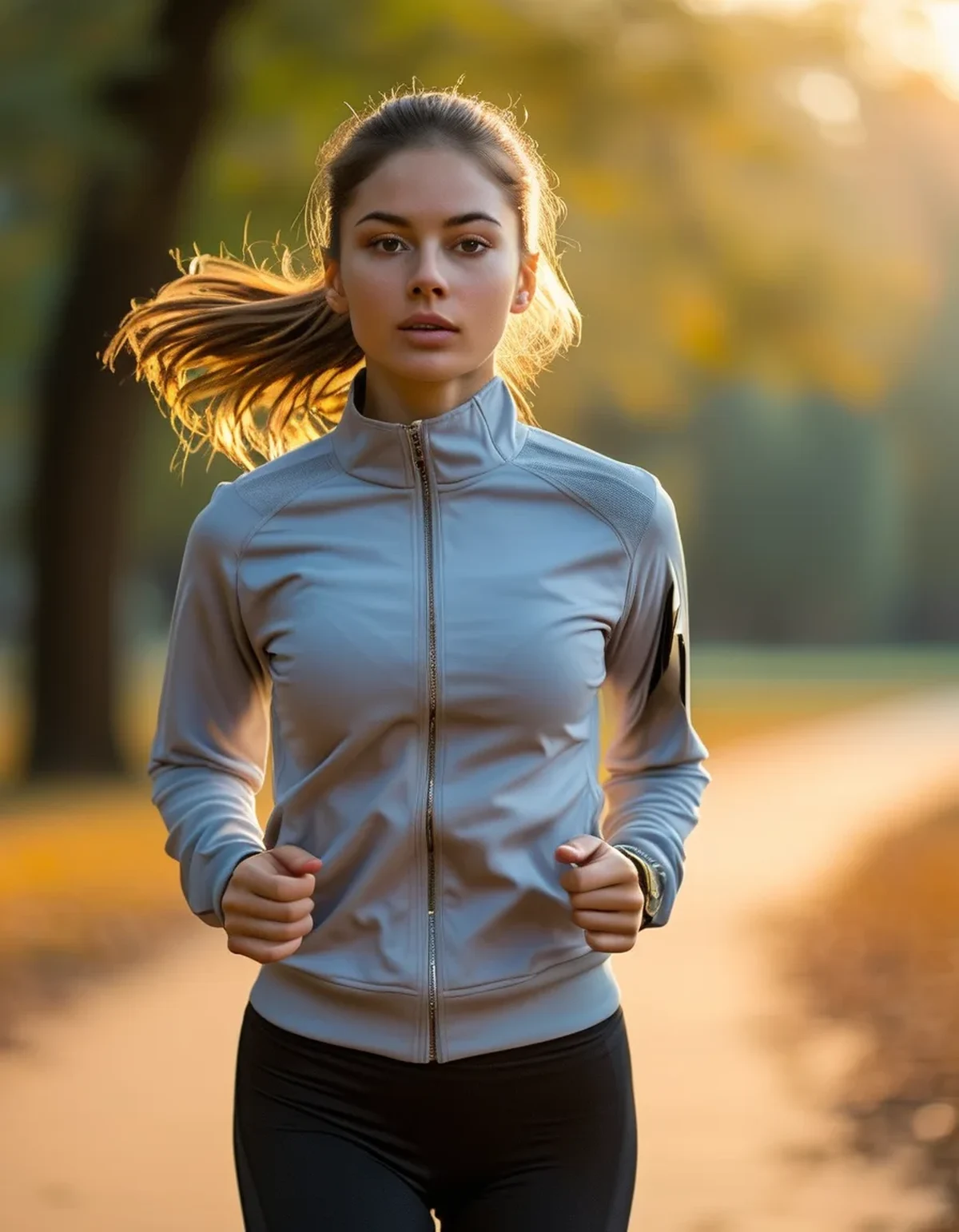
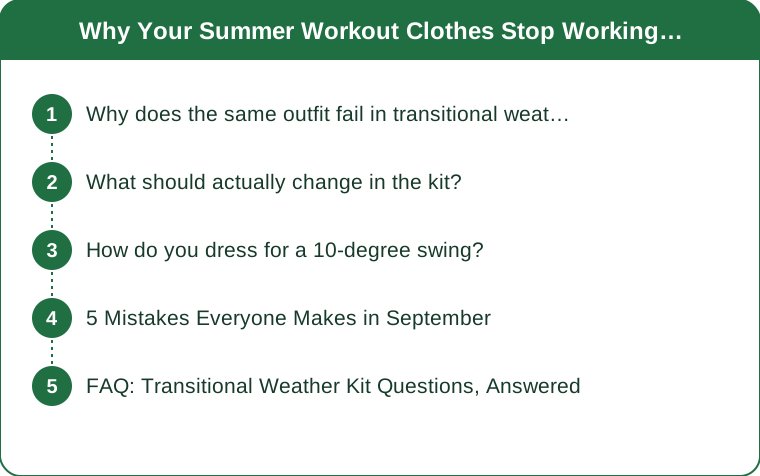
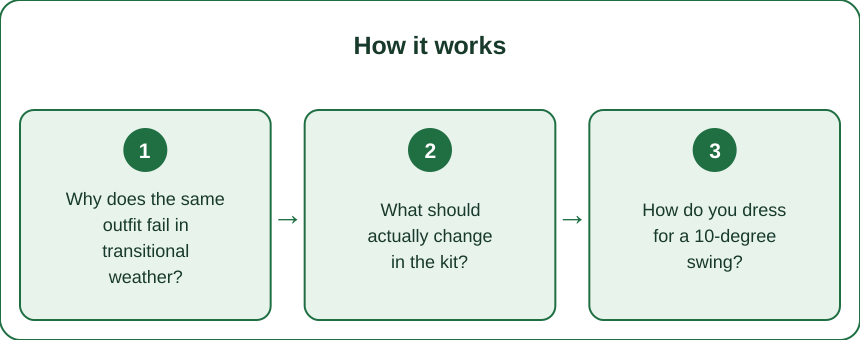
Why does the same outfit fail in transitional weather?
Because evaporation rate collapses while your sweat rate barely changes for the first few weeks.
Evaporation depends on air temperature and humidity together. Warm dry air pulls moisture off fabric quickly. Cool morning air, often with high relative humidity, does not. The same sweat volume now stays in the fabric.
Wet fabric is a conductor. Water conducts heat away from the body far faster than still air. A soaked cotton-blend top is actively cooling you at exactly the point in your session when you slow down.
Your sweat rate lags behind the weather. Acclimatisation takes one to two weeks. In early autumn you are still sweating like it is August while the air can no longer handle it.
The temperature swing within a session is large. A 7 a.m. start at 12°C finishing at 19°C is a completely different problem from a stable 26°C August morning.
Wind matters much more now. Wind chill on damp fabric is the specific mechanism behind feeling fine while moving and freezing the moment you stop.
The post-workout period becomes the risk. In summer you cooled down pleasantly. In autumn, standing around in a soaked top for fifteen minutes is genuinely unpleasant and the main reason people start dreading morning sessions.
What should actually change in the kit?
Less than you would think, and mostly at the layer touching your skin.
Prioritise dry time over warmth. A fast-drying synthetic or merino base solves more of this than any amount of extra insulation. The enemy is wet fabric, not cold air.
Drop cotton entirely. Cotton holds many times its weight in water and dries slowly. It is the single worst choice for transitional weather and the most common one in the drawer.
Merino handles the swing best. It stays comfortable across a wider temperature range than synthetics and does not develop odour as quickly. It dries more slowly than polyester but feels warmer while damp.
Add one removable layer, not a warmer single layer. A light long-sleeve or a packable gilet that you can take off after ten minutes is far more useful than a heavier top you are stuck with.
Cover the extremities first. Hands, ears and neck lose heat disproportionately and are the cheapest things to add and remove. A thin pair of gloves in a pocket handles most September mornings.
Go slightly longer on hems. Full-length leggings and longer sleeves manage the morning chill without the bulk of actual winter kit.
Keep a dry top in the bag. Changing immediately after finishing solves the post-session cold better than anything you can wear during.
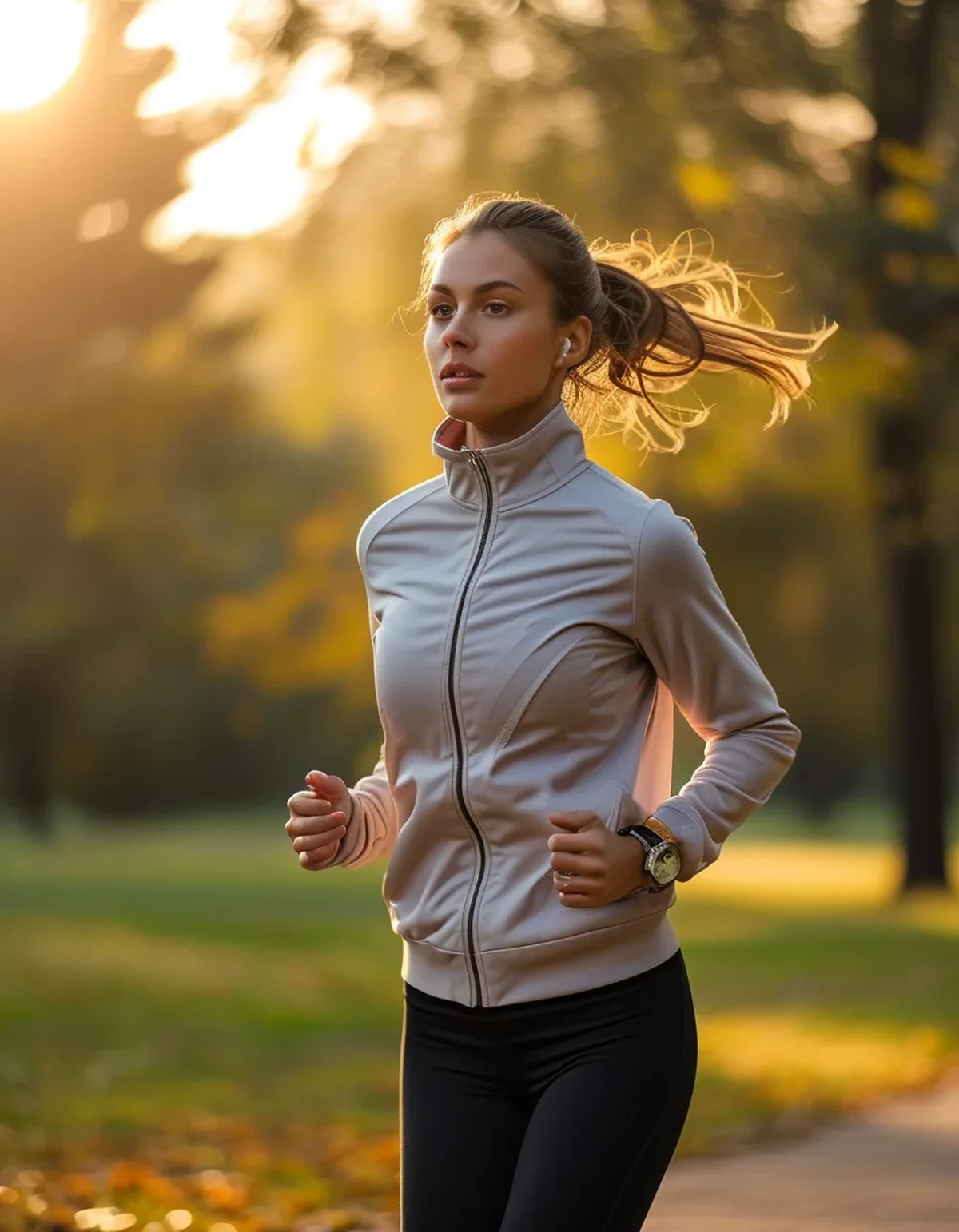
How do you dress for a 10-degree swing?
By dressing for the middle of the session and accepting ten uncomfortable minutes at the start.
Dress for ten degrees warmer than the actual temperature. The standard rule and it holds. If you are comfortable standing outside before you start, you are overdressed.
Be cold for the first ten minutes on purpose. This is the correct amount of discomfort. It resolves as soon as you warm up and prevents the overheating that soaks your kit.
Choose layers you can remove without stopping. A zip is worth more than a pullover. Sleeves that push up are worth more than sleeves that do not.
Start into the wind, finish with it behind you. You will be dry and warm on the way out and damp on the way back. Getting the wind direction the right way round makes a real difference.
Adjust before you need to, not after. Unzip when you feel warm, not when you are sweating. Once the base layer is soaked the layering plan has already failed.
Watch the dew point, not just the temperature. High humidity at 15°C feels and behaves very differently from dry air at 15°C, and it is the variable that determines whether you dry out.
Change immediately when you finish. Every time. This single habit removes most of the autumn misery.
Rotate the summer kit out gradually, not all at once. Bright, thin, loose summer pieces still work perfectly for midday sessions well into October. It is the early mornings and evenings that need the change.
5 Mistakes Everyone Makes in September
1. Adding a warm layer instead of changing the base layer. The problem is wet fabric against skin. A fleece over a soaked cotton top does not fix it.
2. Dressing comfortably for standing outside. If you are comfortable before you start, you will be too hot within ten minutes and soaked by twenty.
3. Keeping cotton socks. Damp feet in cooler weather cause blisters at a rate they never did in summer. Merino or synthetic socks change this immediately.
4. Waiting until it is properly cold to buy anything. The transitional pieces — light gilet, thin gloves, long-sleeve base — are the ones that get worn most and the ones people buy last.
5. Standing around after finishing. Ten minutes of chatting in a soaked top undoes an otherwise good session and is the most common source of autumn colds people blame on the weather.
FAQ: Transitional Weather Kit Questions, Answered
What temperature should I start layering at?
Most people notice it below about 15°C at the start of a session, and definitely below 12°C. Wind moves that threshold up several degrees.
Is merino worth the price?
For a base layer used several times a week across a wide temperature range, generally yes. For a single occasional-use item, less so.
Do I need a jacket yet?
Usually not in September. A long-sleeve base plus a light windproof gilet handles most conditions and packs into a pocket.
Why do I feel colder in autumn at the same temperature as spring?
Acclimatisation. Your body is still calibrated to summer, and it takes one to two weeks to adjust.
What about indoor sessions?
Gyms often lag the weather by weeks and stay warm. Wear summer kit inside and carry the layer for the walk home.
How do I stop my hands going numb?
Thin liner gloves are enough for most autumn mornings and cost very little. Hands lose heat fast and warm up slowly once cold.
TL;DR:
- The failure is wet fabric in cool air, not insufficient warmth.
- Fix the base layer first — fast-drying synthetic or merino, never cotton.
- Add one removable layer plus thin gloves, not a heavier single top.
- Dress for ten degrees warmer and accept a cold first ten minutes.
- Change immediately when you finish. This solves most of it.
Swap the base layer this week. Everything else in the drawer can wait.
See It in Motion
Seen here: Super High Waist Embossed Yoga Leggings with Inner Pocket — shop it on bubblelime.com
Keep Reading
This article is for general informational and styling purposes only. Fit, sizing, and product availability may vary.