Late August Is the Hardest Month to Dress for a Workout, and Here's Why
Quick Answer: Late-summer humidity slows evaporation, which is the mechanism your body relies on to cool itself — so sweat sits on your skin instead of leaving it, and clothing that performed well in dry heat suddenly feels clingy and hot. The fix is prioritizing airflow and loose contact over pure wicking, since wicking can’t help much when the surrounding air is already near saturation.
It’s a genuinely different problem from July heat, and it needs a different answer.
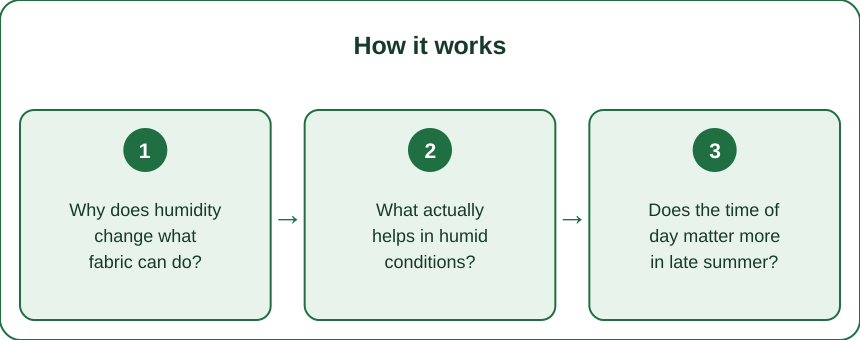
Why does humidity change what fabric can do?
Wicking works by moving sweat to the fabric’s outer surface where it evaporates, and evaporation depends on the surrounding air having room to accept more water vapor. In dry heat there’s plenty of room and the system works beautifully.
In high humidity, the air is already close to saturation, so the evaporation rate drops sharply — the sweat gets moved to the fabric surface and then stays there. The garment becomes saturated, clings to skin, and the cooling mechanism stalls. This is why a technical top that felt outstanding in July can feel worse than a loose cotton tee in humid late August: the technical advantage depended on evaporation that isn’t happening.
What actually helps in humid conditions?
Airflow becomes more valuable than wicking. Moving air carries away the saturated boundary layer sitting right against your skin, which lets evaporation restart. That’s why a loose, open-weave garment often outperforms a tight technical one in humidity.
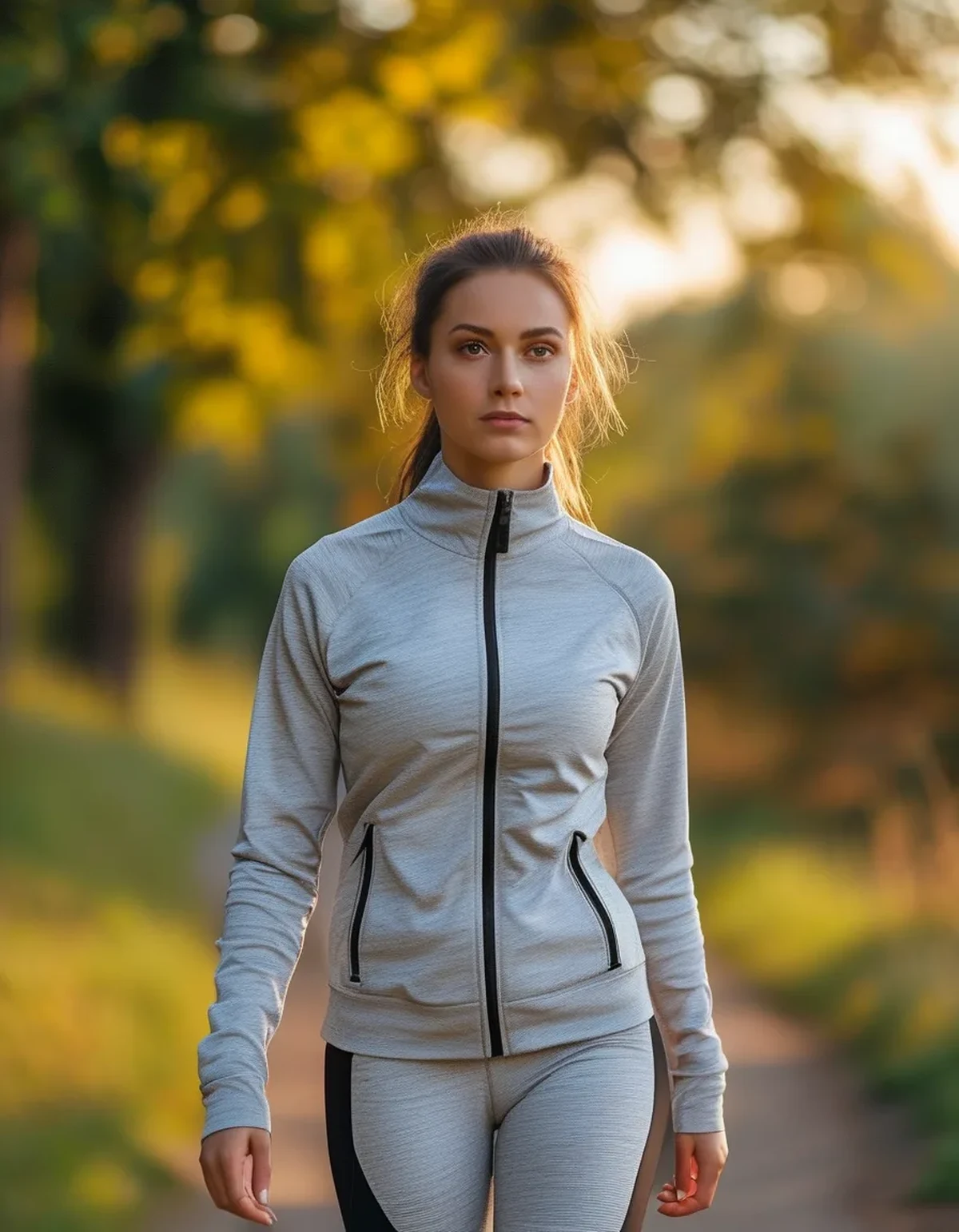
Concretely: mesh panels, open-knit fabrics, and a looser fit through the torso all help, as does anything that keeps fabric off the skin rather than against it. Lighter weight matters too — less fabric means less material to saturate. The counterintuitive part is that maximum coverage compression gear, which excels in dry heat and cool weather, is the worst choice in humidity because it eliminates both airflow and the air gap.
Does the time of day matter more in late summer?
More than at any other point in the year. Humidity typically peaks in the early morning and drops through the afternoon, even as temperature climbs — so the 6 a.m. run that felt refreshing in June can be the most oppressive session of the day in late August.
Late afternoon and early evening often offer the best combination in this window: temperature has come off its peak and relative humidity has dropped from its morning high. If your schedule is flexible, shifting outdoor sessions later in the day during humid stretches usually improves the experience more than any clothing change will.
What about the temperature swing between morning and afternoon?
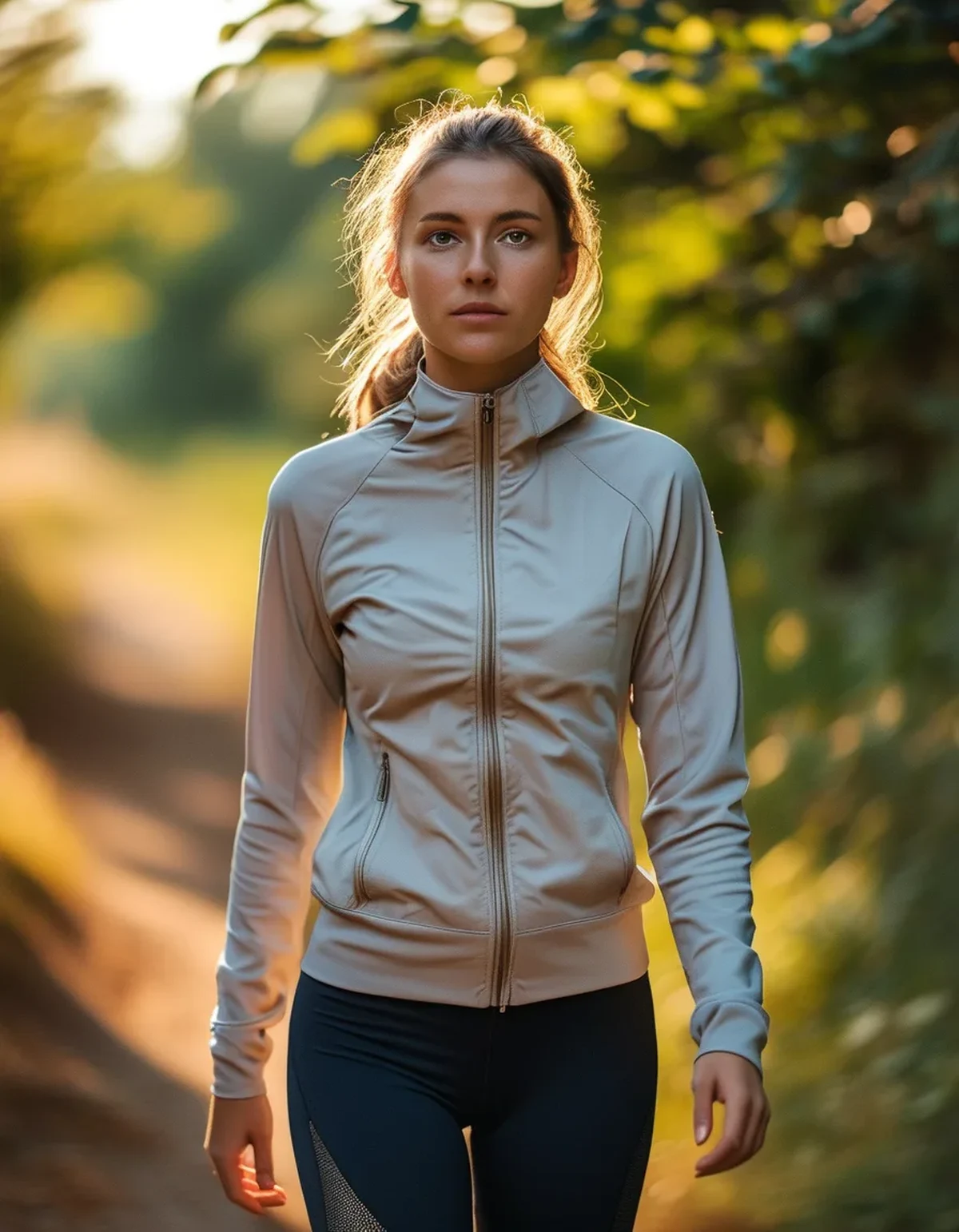
Late summer often brings a 20-degree spread between a cool morning and a warm afternoon, which is a layering problem more than a fabric one. A light layer you can remove and actually carry — something that packs into a pocket or ties without bulk — solves it better than trying to pick one garment for both ends.
Capri or 7/8 lengths work particularly well in this window because they cover the knee for a cool start without being too warm by midday. And a light long-sleeve you can push up adapts more gracefully than a jacket you either wear or carry. The goal is adjustability, since the day genuinely changes underneath you.
What Nobody Tells You About Humid-Weather Training
Your perceived effort rises even at the same pace. Because cooling is impaired, heart rate runs higher for identical work. That’s a physiological reality, not a fitness decline — adjusting pace expectations during humid stretches is reasonable rather than soft.
Chafing risk goes up substantially. Damp fabric against skin has a much higher friction coefficient than dry fabric, which is why late summer produces chafing in places that never bother you in July. Seam placement matters more in this window than any other.
Hydration needs increase even though you may feel less thirsty in humid conditions than in dry heat. Sweat loss is higher, not lower, even though it’s less visibly evaporating.
FAQ: Late Summer Activewear Questions, Answered
Is cotton actually better in humidity since wicking isn’t working?
No — cotton absorbs and holds moisture, which makes clinging worse. A loose synthetic with open construction beats both a tight synthetic and a cotton tee.
Do cooling fabrics with special finishes help in humidity?
Phase-change and cooling finishes mostly work by enhancing evaporation, so their benefit is reduced in humid air. Airflow does more.
Should I switch to indoor workouts during humid stretches?
It’s a reasonable adjustment for high-intensity sessions specifically, since impaired cooling affects hard efforts most. Easy sessions outdoors are usually fine with pacing adjustments.
TL;DR:
- Humidity blocks evaporation, which is what wicking fabrics depend on to work
- Prioritize airflow, open weaves, mesh panels, and looser contact over maximum wicking
- Humidity often peaks in early morning — late afternoon can be the better outdoor window
- Chafing risk and perceived effort both rise in humid conditions, independent of fitness
Late August isn’t just July with a slightly different temperature. Dressing for the humidity rather than the heat makes the whole month more manageable.
Keep Reading
This article is for general informational and styling purposes only. Fit, sizing, and product availability may vary.