The Late-August Capsule: Six Pieces That Carry You Into September
Quick Answer: Late August through September is a layering problem, not a wardrobe-replacement problem. Six pieces cover it: high-rise full-length leggings, a fitted long-sleeve base, a short-sleeve top that works alone, a light unstructured jacket or overshirt, one pair of transitional trousers, and a proper pair of closed shoes. The principle is that every piece works both with and without the layer above it - so a 12°C morning and a 26°C afternoon are the same outfit with one item removed.
Buying for autumn now is premature. Buying for the six weeks in between is where the wardrobe actually strains.
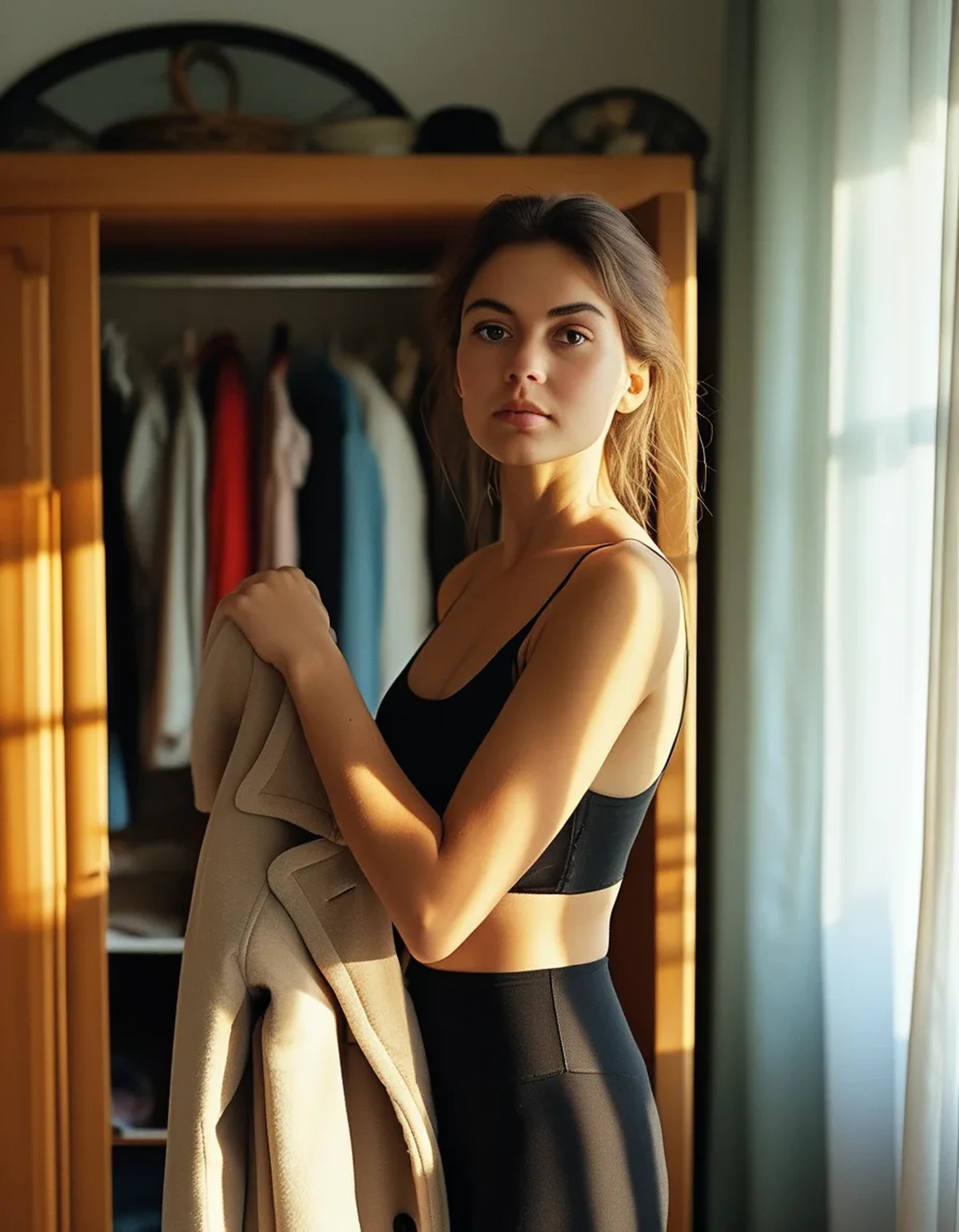
Why is this specific stretch so hard to dress for?
Because the temperature range within a single day is at its widest.
Morning and afternoon can differ by 10 to 14°C in late August and September, which is a wider daily swing than either full summer or full winter produces.
Your building runs a different climate from outside. Air conditioning is still on in offices, shops, and transport while mornings have turned genuinely cool. You are dressing for four environments in a day, not two.
Rain becomes intermittent rather than seasonal. A summer shower is warm; a September shower is cold, and being wet at 15°C is a different experience from being wet at 27°C.
And the psychological pull is toward autumn before the weather justifies it. Everyone wants to wear the new knitwear, and then spends the afternoon carrying it. Dressing for the actual forecast rather than the aspirational season is most of the solution.
The design principle that solves it: each piece has to be complete on its own and correct under a layer. A top that only works under a jacket is a liability at 2pm.
The six pieces, and what each has to do
1. High-rise full-length leggings. The transitional workhorse. Full length covers cool mornings, a high rise stays put through the day, and a genuinely opaque mid-weight fabric works in a 14°C morning and a warm afternoon alike. The test is whether you would wear them to coffee after training - if not, they are training-only and not a capsule piece.
2. A fitted long-sleeve base. Thin, smooth, and close to the body so it layers under anything without bulk. It has to work alone at 18°C and under a jacket at 12°C. This is the piece that gets worn most and considered least.
3. A short-sleeve top that stands alone. Not a t-shirt you would only wear under something. Cut and fabric good enough to be the whole outfit on the last genuinely warm afternoons.
4. A light unstructured jacket or overshirt. Unlined, easy to carry, and not precious. The key requirement is that it packs into a bag without looking like it did. A structured blazer fails this test; a soft overshirt or a light anorak passes.
5. One pair of transitional trousers. Wide-leg, straight, or a tailored jogger in a mid-weight fabric. Something that is not denim and not summer linen - both of those are seasonal extremes and this period is the middle.
6. Closed shoes you can walk properly in. Trainers or a flat ankle boot. Sandals stop working the week the mornings turn, and this is usually the first thing people notice and the last thing they act on.
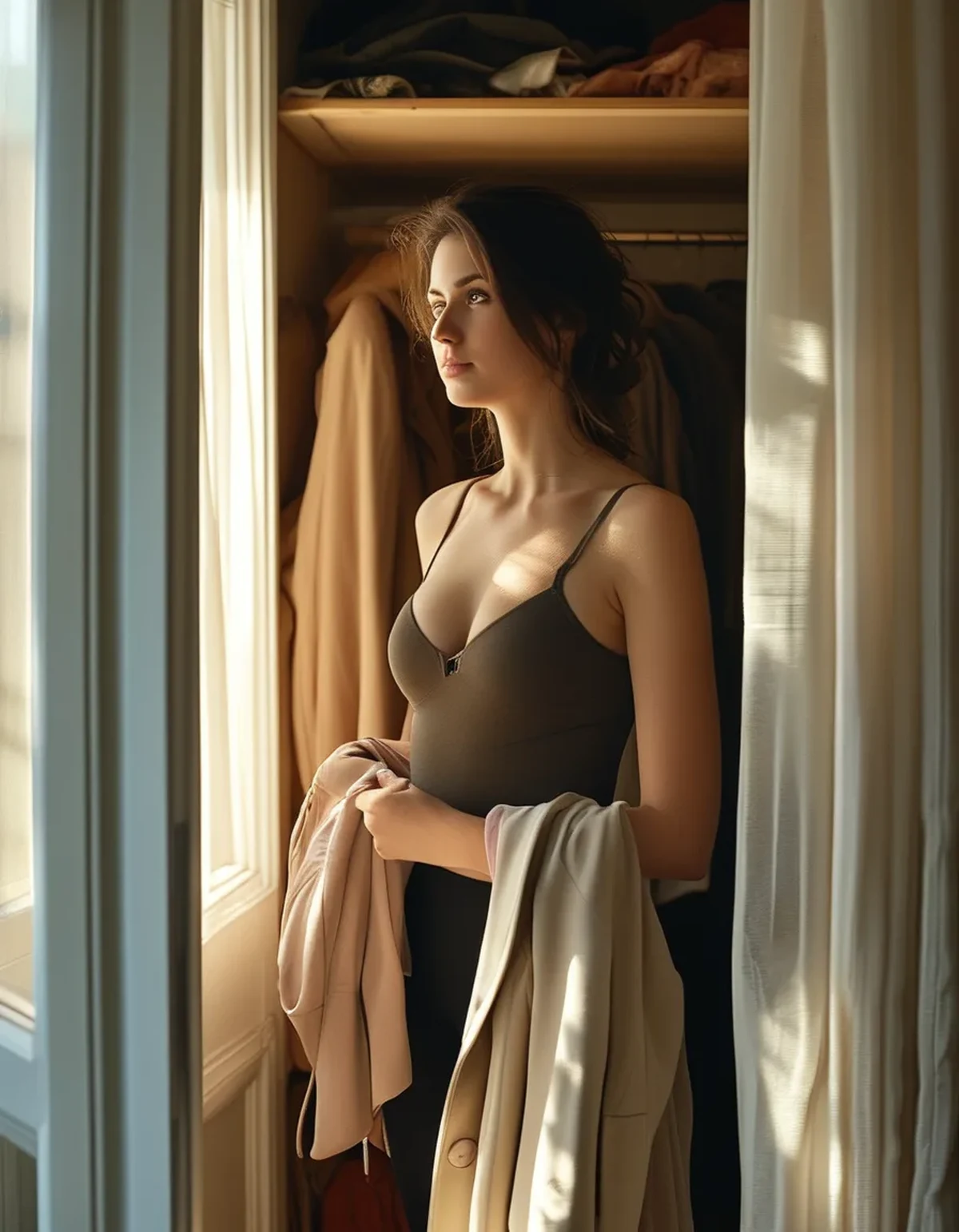
5 Mistakes in the Late-Summer Wardrobe
1. Packing away summer too early. The last genuinely hot week frequently arrives in September. Keep two or three summer pieces accessible until the end of the month rather than putting everything in storage on the first cool morning.
2. Buying autumn knitwear in August. It sits unworn for six weeks and by the time it is useful the good pieces are sold out anyway. Buy the transitional layer instead - it is the thing you will wear tomorrow.
3. Choosing dark colours by default. Dark fabric absorbs meaningfully more heat in direct sun, and September afternoons still deliver strong sun. Mid-tones carry the season better than either bright summer colours or full autumn dark.
4. Ignoring fabric weight in favour of sleeve length. A thin long-sleeve is cooler than a heavy short-sleeve. Weight and weave decide warmth more than coverage does, which is why a light long-sleeve is the most versatile piece in the list.
5. Not planning for the bag. Layering means carrying a layer for part of the day. If your bag cannot hold the jacket, you will not bring the jacket - and then you are cold at 8am for six weeks.
How do you actually build outfits from six pieces?
The point of the capsule is that the combinations do the work.
Cool morning, warm afternoon (the standard day): long-sleeve base + leggings or trousers + light jacket. Remove the jacket at 11am and the outfit is still complete - that is the whole test.
Warm all day: short-sleeve top + trousers. Jacket in the bag for the air-conditioned building rather than for the weather.
Cool all day: long-sleeve base + short-sleeve top over it + leggings + jacket. Layering two tops is what extends the capsule without adding pieces.
Wet: the light jacket, closed shoes, and full-length leggings that dry fast. This is where technical fabric beats cotton decisively - a cotton layer that gets wet at 15°C stays wet all day.
Colour strategy: keep the six pieces within a range that all combine. Two neutrals and one accent means every combination works and you never carry a jacket that clashes with what is underneath.
What to add if you want a seventh: a lightweight scarf. It is the highest-value small item for this specific period - it addresses the neck, which is where cool mornings register first, and it weighs nothing in a bag at 2pm.
And a note on timing: the moment to shop this is now, not in six weeks. Transitional pieces sell through early because everyone needs them at once, and the shops move to full autumn stock while the weather is still doing this.
FAQ: Late-Summer Wardrobe Questions, Answered
When should I actually pack away summer clothes?
End of September for most temperate climates, and keep two or three pieces accessible into October. Early storage is the most common cause of a hot week with nothing to wear.
Are leggings appropriate for this period, or are they a summer thing?
Full-length, opaque, mid-weight leggings are genuinely one of the most transitional pieces available - they work in a cool morning and a warm afternoon, and layer under a longer coat later in the season.
What one piece should I buy if I only buy one?
A fitted long-sleeve base layer in a smooth technical or merino fabric. It works alone, under everything, and it extends both your summer and your autumn clothes by several weeks each.
How do I stop overheating on the commute?
Dress for the middle of the day and carry the layer, rather than dressing for the coldest point. Choose a jacket that packs down, and prioritise breathable fabric over insulation for the next six weeks.
Should I buy transitional pieces or just wait for autumn?
Buy the transitional pieces - they get six weeks of wear now and continue as layers all winter, which makes them the highest cost-per-wear items in the entire seasonal wardrobe.
TL;DR:
- Late August to September is a layering problem: daily temperature swings of 10 to 14°C plus air conditioning indoors.
- The six pieces: high-rise full-length leggings, a fitted long-sleeve base, a stand-alone short-sleeve top, a packable light jacket, transitional trousers, and closed shoes.
- The rule: every piece works with and without the layer above it - so the morning outfit becomes the afternoon outfit by removing one item.
- Do not pack summer away yet, do not buy heavy knitwear yet, favour mid-tones, and judge warmth by fabric weight rather than sleeve length.
The reason this small capsule works is that it is built for the actual six weeks in front of you rather than for the season everyone is anticipating. It also happens to be the highest cost-per-wear part of the wardrobe, because every one of these pieces keeps working as a layer right through winter.
See It in Motion
Seen here: Super High Waist Embossed Yoga Leggings with Inner Pocket — shop it on bubblelime.com
Keep Reading
This article is for general informational and styling purposes only. Fit, sizing, and product availability may vary.